Plantar Fasciitis Treatment in New Mexico
Do I have plantar fasciitis?
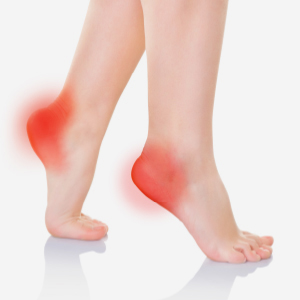
By far, the most common symptom of plantar fasciitis is sharp heel pain. Most patients say that the pain happens when getting out of bed in the morning, taking the first steps of the day.
Plantar fasciitis pain can also strike when you're standing up after an extended period of sitting. In most cases, the pain dissipates after walking and then returns the next time you stand up after resting. For athletes or sports enthusiasts, plantar fasciitis doesn’t strike during sports but afterward.
Many men and women who suffer from plantar fasciitis develop heel spurs. Usually, the plantar fasciitis is the root cause of both heel spurs and pain.
What causes plantar fasciitis?
Abnormal foot structure often causes plantar fasciitis. If you have problems like flat feet or very high arches, you're more likely to develop plantar fasciitis.
Athletes may suffer from plantar fasciitis. Activities like running and jumping place extra stress on the plantar fascia, potentially causing the damage leading to plantar fasciitis.
The type of footwear you choose plays a critical role in reducing strain and supporting proper foot mechanics. Shoes that lack adequate support or cushioning can increase stress on the plantar fascia and contribute to ongoing discomfort. Learn more about how the right footwear can help protect your feet in our article on the importance of proper footwear.
Another common cause of plantar fasciitis is long periods of standing on hard surfaces, especially if you wear improper footwear. Many teachers get plantar fasciitis because they spend so much time on their feet.
Extra weight can increase the load that your plantar fascia has to bear, and this can contribute to plantar fasciitis.
How is plantar fasciitis treated?
Treatment depends on your symptoms. Most cases of plantar fasciitis respond very well to noninvasive treatments including:
- Special exercises to stretch the plantar fascia
- Supportive footwear
- Ice packs to reduce inflammation
- Rest to allow the plantar fascia to heal
If the above treatments don't work, other options can include:
- Custom orthotics to reduce stress on your heel
- Night splint to keep the plantar fascia stretched while you sleep
- Walking cast to relieve pressure and allow plantar fascia healing
- Corticosteroid injections for inflammation and pain
- Physical therapy to rehabilitate the plantar fascia and calf muscles
In rare cases, some patients may need surgery for plantar fasciitis, but most sufferers respond very well to the noninvasive measures above. If you're unsure whether your symptoms require professional care, you can learn more about when to seek treatment in our guide on how to know if you should see a foot doctor.
Put an end to heel pain today by scheduling an appointment online or visiting the Foot and Ankle Specialists location nearest you. You can receive care at any of our convenient locations, including Albuquerque, Rio Rancho, Santa Fe, Los Alamos, Los Lunas, Gallup, Las Vegas, and Taos, helping you recover safely and avoid recurring pain.