What Are Orthotics and Do You Really Need Them? A Complete Beginner’s Guide
December 17, 2025
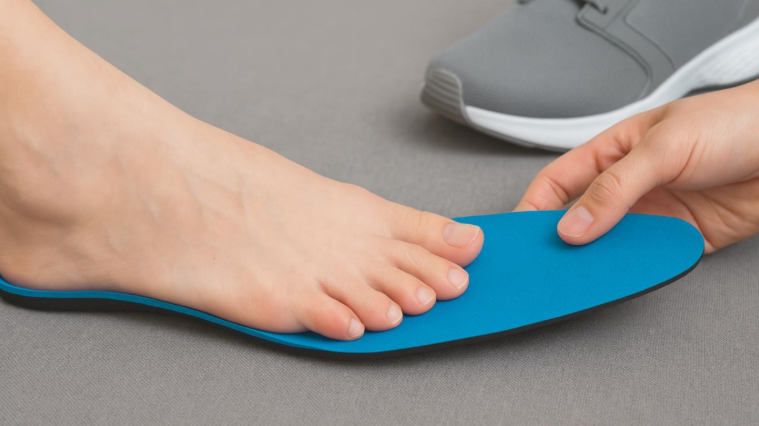
Foot pain, arch fatigue, and alignment problems are more common than most people realize. Many patients try new shoes, stretches, or home remedies before discovering that the real issue may begin with how their feet are structured. Orthotics can be a simple, effective solution, but knowing where to start can feel overwhelming.
This beginner-friendly guide explains what orthotics are, who may benefit from them, and how to know if you need shoe orthotics. It also breaks down what the 3 types of orthotics are, how they work, and what to expect if you start using them.
What Are Orthotics?
Orthotics are supportive inserts worn inside your shoes to improve the way your feet move and absorb pressure. Unlike basic store-bought insoles, medical orthotics can be designed to correct foot mechanics, reduce pain, and support long-term foot health.
They help the feet function more efficiently by:
- Supporting the arches
- Improving alignment of the feet, ankles, knees, and hips
- Reducing strain on tendons and joints
- Distributing pressure away from painful areas
Understanding what orthotics are is the first step in deciding whether they’re the right solution for your discomfort or mobility challenges.
What Are the 3 Types of Orthotics?
While there are many designs, the 3 types of orthotics most patients encounter include:
1. Custom Prescription Orthotics
Created from molds or digital scans of the feet, custom orthotics provide precise support tailored to your foot structure. They are ideal for chronic pain, significant alignment issues, flat feet, high arches, or conditions linked to overuse.
2. Over-the-Counter (OTC) Orthotics
These pre-made inserts offer general support and cushioning. They can be helpful for mild discomfort but are not designed to correct underlying biomechanical issues.
Who Can Benefit From Orthotics?
Orthotics can help with a wide range of foot and ankle problems. Many patients find relief from:
- Heel pain or plantar fasciitis
- Flat feet or fallen arches
- High arches
- Achilles tendonitis
- Arthritis-related discomfort
- Bunions or hammertoes
- Metatarsalgia (ball-of-foot pain)
- Repetitive sprains or instability
- Pressure spots due to diabetes
For others, orthotics help improve overall alignment, reducing strain on the knees, hips, or lower back.
How to Know If I Need Shoe Orthotics
Many people wonder how to know if they need shoe orthotics, especially if their symptoms come and go. You may benefit from orthotics if you experience:
- Persistent heel or arch pain
- Pain after long periods of standing or walking
- Foot fatigue at the end of the day
- Uneven shoe wear
- Frequent ankle sprains
- Pain in the ball of the foot
- Knee, hip, or lower back discomfort related to movement
- Difficulty finding comfortable shoes due to foot structure
If foot pain is affecting your daily routine, orthotics may be part of the solution.
Clearing Up Common Concerns About Orthotics
It’s normal to wonder whether orthotics could weaken your feet or cause long-term problems. The truth is that well-fitted orthotics are designed to support your natural mechanics, not replace them or create dependence.
When orthotics match your foot structure and symptoms, they improve alignment, reduce strain, and help prevent recurring pain. Concerns usually arise when inserts are purchased without evaluation or worn incorrectly.
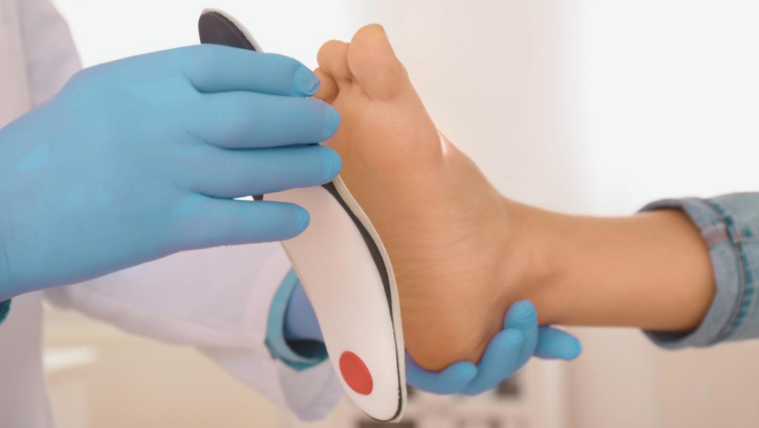
When recommended and fitted by a podiatrist, orthotics remain a safe, effective tool for better foot function. They are not harmful to your feet or joints.
Custom Orthotics vs. Over-the-Counter Inserts
Custom orthotics correct structural issues and offer long-term durability. They can last several years and help address chronic or complex foot concerns.
Over-the-counter inserts work well for mild discomfort, short-term needs, or added cushioning. The best choice depends on your symptoms, activity level, and foot structure—something a podiatrist can evaluate during an exam.
What to Expect From Orthotics (Comfort, Break-In, and Results)
As with any supportive device, orthotics come with an adjustment period. It’s normal to feel mild pressure or muscle fatigue during the first week. Most patients begin by wearing them for one to two hours a day, then gradually increasing wear time.
Within a few weeks, orthotics typically feel more natural. Improvements may include:
- Reduced heel or arch pain
- Better stability
- Less fatigue throughout the day
- More comfortable walking patterns
Follow-up visits ensure the fit is correct and adjustments are made if needed.
When to See a Podiatrist
A podiatrist can evaluate your symptoms, analyze your gait, and determine whether orthotics are the right choice. You should seek an evaluation if you have:
- Foot pain that lasts more than a few weeks
- Difficulty standing or walking comfortably
- Recurring injuries
- Alignment changes or worsening foot deformities
- Diabetes-related pressure spots
Taking the First Step Toward Better Support
Orthotics are a powerful tool for improving comfort, correcting alignment, and preventing long-term foot problems. Whether you’re dealing with chronic pain or simply exploring support options for the first time, the podiatrists at Foot & Ankle Specialists of New Mexico can help you choose the right approach for your feet.
If you’re ready to improve your comfort and foot alignment, book an appointment today to get started with personalized support.
Schedule an Appointment Today!
If any of these signs or symptoms sound familiar to you, don’t wait! Schedule an appointment with one of our specialists TODAY and get back to living your best life! For more tips, tricks, and helpful information, be sure to check out our social media accounts!