Toenail Trauma or Fungus? How to Tell the Difference
May 13, 2026
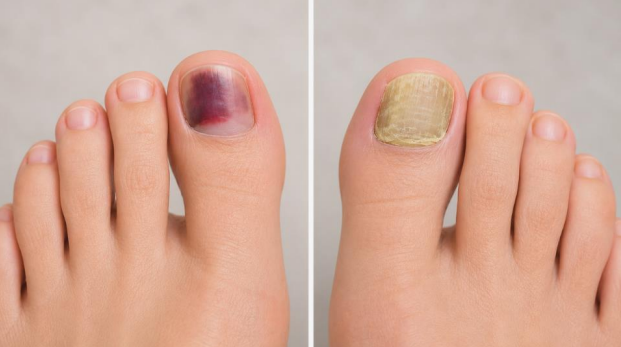
Changes in a toenail's color, thickness, or texture are easy to notice, but not always easy to explain. Many people assume a discolored or thickened nail means fungus, when the real cause might be an injury, or the other way around.
Toenail trauma or fungus can both produce surprisingly similar nail changes, from yellowing and thickening to crumbling or lifting. That distinction matters, because treatment for an injured nail looks very different from treatment for a fungal infection, and getting it right from the start can save time, money, and frustration.
Why Toenail Trauma and Fungus Are So Often Confused
Both conditions cause thickening, discoloration, and texture changes, which makes toenail trauma vs fungus easy to mix up. Many people apply antifungal treatments to a nail that was simply injured, or wait out a nail they think is bruised while a fungal infection quietly spreads.
Knowing what to look for, and understanding how each condition typically develops, makes it much easier to take the right next step.
What Is Toenail Trauma?
Toenail trauma happens when the nail or tissue beneath it is damaged by physical force, either suddenly, like stubbing a toe or dropping something on the foot, or gradually through repetitive pressure from tight shoes or running.
When injured, blood pools beneath the nail, creating dark purple, black, or red discoloration. The nail may also thicken, lift slightly, or feel tender. With nail trauma or fungus, one helpful starting question is: was there a known injury or increased activity before the nail changed?
What Is Toenail Fungus?
Toenail fungus, medically known as onychomycosis, develops when microscopic organisms invade the nail and surrounding tissue. Unlike trauma, it tends to appear slowly and without a clear triggering event.
It typically starts at the tip or edge of the nail and spreads inward, causing yellowing, thickening, or a crumbly texture. Fungus thrives in warm, moist environments, making toenails especially vulnerable, particularly for those who spend long hours in closed footwear or frequent shared spaces like gyms or pools.
To learn more about how fungal infections develop, what causes them, and how they spread, visit our Toenail Fungus 101 article.

Bruised Toenail vs Fungus: Key Differences to Know
Understanding toe nail trauma vs fungus comes down to a few key details. Here's how they typically compare:
| Toenail Trauma | Toenail Fungus | |
|---|---|---|
| Onset | Sudden, after injury or repetitive pressure | Gradual, over weeks or months |
| Color | Dark purple, black, or red | Yellow, white, brown, or greenish |
| Nails affected | Usually one nail | Often spreads to multiple nails |
| Texture | May split, lift, or thicken | Crumbly, brittle, powdery edges |
| Pain | Often painful after acute injury | Usually painless unless severe |
A nail fungus or bruise can both cause discoloration, but the shade, pattern, and history behind the change are usually different.
Can Toenail Trauma Lead to a Fungal Infection?
This connection is often overlooked. Nail trauma vs fungus isn't always an either-or situation, both can be present at the same time.
When a nail cracks, lifts, or separates due to injury, it creates an opening where moisture accumulates and fungi can enter. According to the National Library of Medicine, nail trauma is a recognized risk factor for developing a fungal infection in the affected nail.
If a nail isn't improving the way a bruised nail typically would, fungal involvement may be worth considering.
How a Podiatrist Evaluates Nail Changes
A podiatrist may assess the nail by reviewing:
- Patient history: any recent injuries, footwear habits, and how long changes have been present
- Physical examination: nail appearance, texture, and condition of surrounding tissue
- Lab testing: a nail sample may be collected and sent for analysis when the cause isn't clear
According to the NIH, laboratory confirmation is especially important before starting oral antifungal medications, which carry potential side effects. Learn more about available options on our toenail fungus treatment page.
When to See a Podiatrist
Consider scheduling an evaluation if you notice:
- A nail that isn't growing out or improving over time
- Discoloration without a known injury
- Thickening or crumbling spreading to other nails
- Pain, tenderness, or difficulty wearing shoes
- A nail that has lifted or separated from the nail bed
- Recurring nail changes that keep coming back
Toe nail trauma or fungus, whichever the cause, responds better to care when identified early.
Getting the Right Diagnosis Makes All the Difference
Toenail trauma or fungus may look alike on the surface, but they are different conditions that need different treatment. Guessing, or self-treating, can allow the real problem to progress.
If you're unsure what's causing changes in your toenail, Foot & Ankle Specialists of New Mexico is here to help. Our podiatrists serve patients throughout New Mexico, visit one of our clinic locations or schedule an appointment for a thorough evaluation and a care plan tailored to you.
Schedule an Appointment Today!
If any of these signs or symptoms sound familiar to you, don't wait! Schedule an appointment with one of our specialists TODAY and get back to living your best life! For more tips, tricks, and helpful information, be sure to check out our social media accounts!