How to Care for Diabetic Feet: Daily Tips, Nail Care, Pain Relief, and Ulcer Treatment
December 29, 2025

Foot care is an essential part of diabetes management. High blood sugar levels can affect circulation, nerve function, and the body’s ability to heal, making the feet especially vulnerable to injury, infection, and ulcers. The good news is that many serious complications are preventable with consistent daily habits, proper nail care, and early treatment.
This guide explains how to treat diabetic feet safely at home, how to manage pain and swelling, and when professional care is necessary to protect long-term foot health.
Why Foot Care Matters for People with Diabetes
Diabetes can damage nerves (peripheral neuropathy), reducing sensation in the feet. This makes it easier to miss small cuts, blisters, or pressure points. At the same time, reduced circulation can slow healing and increase the risk of infection. Over time, even minor foot problems can progress if they go unnoticed.
Understanding how to take care of your feet every day is one of the most effective ways to reduce these risks and protect mobility.
You can also explore our article Diabetes and Your Feet for more information on how diabetes affects foot health over time.
Daily Foot Care Tips for Diabetic Patients
Daily foot care should become a routine, just like checking blood sugar levels.
Key habits include:
- Inspect both feet daily, including the soles and between the toes
- Look for cuts, redness, swelling, blisters, calluses, or changes in skin color
- Wash feet with lukewarm water and mild soap
- Dry thoroughly, especially between the toes
- Apply moisturizer to prevent dryness (avoid between the toes)
- Wear clean socks and well-fitting shoes
- Never walk barefoot, even indoors
Consistency is the foundation of how to treat diabetic feet and prevent complications before they start.
How to Trim Diabetic Toenails Safely
Toenail care requires extra caution for people with diabetes, as improper trimming can lead to infections or ingrown toenails.
Safe nail-care tips include:
- Trim toenails straight across, not rounded
- Avoid cutting nails too short
- Smooth sharp edges with a nail file
- Do not cut cuticles or use sharp tools on the surrounding skin
Knowing how to trim diabetic toenails can significantly reduce infection risk. If you’re unsure how to trim toenails for diabetic patients, or if your nails are thick, brittle, or difficult to reach, professional nail care is often the safer option.
Managing Diabetic Foot Pain and Discomfort
Foot pain in diabetes may be caused by nerve damage, pressure points, inflammation, or improper footwear. While discomfort can be common, it should never be ignored.
Helpful strategies include:
- Wearing supportive, properly fitted shoes
- Avoiding tight footwear that increases pressure
- Using cushioned insoles or orthotics when recommended
- Managing blood sugar levels to reduce nerve irritation
- Resting painful areas and avoiding repetitive stress
These steps can support comfort and address how to cure diabetic foot pain, especially when combined with professional guidance.
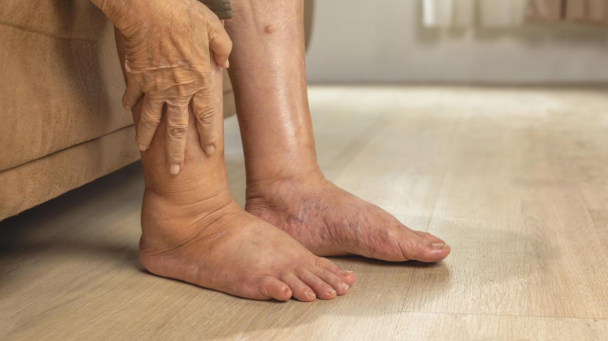
How Diabetics Reduce Swollen Feet
Swelling in the feet or ankles is common in people with diabetes and may be related to circulation issues, inflammation, or fluid retention.
To help manage swelling:
- Elevate the feet when resting
- Engage in gentle movement to promote circulation
- Wear supportive footwear
- Use compression only if recommended by a podiatrist, as improper compression can worsen circulation issues
Understanding how diabetics reduce swollen feet can help improve comfort and identify when swelling may signal a more serious concern.
Recognizing and Treating Diabetic Foot Ulcers Early
A diabetic foot ulcer is an open sore that often develops in areas of pressure. Because nerve damage can reduce sensation, ulcers may go unnoticed in their early stages.
Warning signs include:
- Redness or warmth in one area
- Drainage on socks or shoes
- Thickened calluses
- Skin breakdown or open wounds
Safe care focuses on protecting the area, keeping wounds clean, and reducing pressure. Knowing how to treat a diabetic foot ulcer early is critical; ulcers should never be managed with home remedies or ignored, as professional treatment greatly improves healing outcomes.
When to See a Podiatrist for Diabetic Foot Care
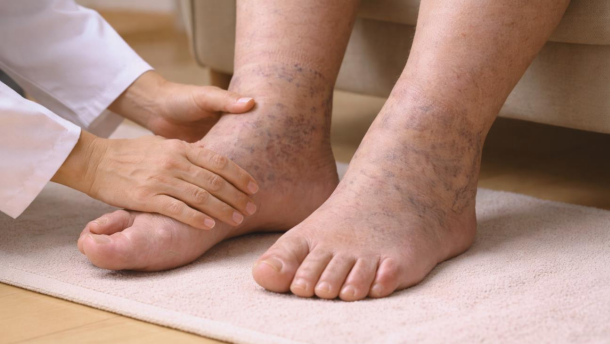
Professional care plays an important role in preventing complications and monitoring changes that may not be visible at home. A podiatrist can assess circulation, nerve function, skin health, and pressure points that increase the risk of ulcers or infection.
You should seek podiatric care if you notice:
- Open sores or wounds
- Signs of infection
- Increasing pain or swelling
- Thickened or infected toenails
- Loss of sensation or balance issues
Recommendations for how often a diabetic should see a podiatrist generally include annual foot exams, with closer monitoring for those with nerve damage, circulation concerns, or previous ulcers.
For more information about professional diabetic foot care, including preventive exams, nail care, and ulcer monitoring, visit our diabetic foot care services page.
Protecting Your Foot Health Every Day
Daily foot care, safe nail trimming, pain awareness, and early treatment all play a role in preventing serious complications. Learning how to treat diabetic feet consistently, not just when problems arise, can protect your mobility and quality of life.
While daily foot-care habits are essential, diabetic foot problems should always be evaluated and managed by a qualified specialist. Foot & Ankle Specialists of New Mexico provide the professional care needed to treat these conditions safely.
If you have questions about your foot health or need professional guidance, book an appointment today to ensure your feet receive the care they need.
Taking the First Step Toward Healthier Feet
Your feet can reveal the first signs of diabetes, and symptoms like swelling, coldness, cracked heels, or leg pain should never be ignored. Paying attention early can make the difference between simple treatment and long-term complications.
Schedule an Appointment Today!
If any of these signs or symptoms sound familiar to you, don’t wait! Schedule an appointment with one of our specialists TODAY and get back to living your best life! For more tips, tricks, and helpful information, be sure to check out our social media accounts!